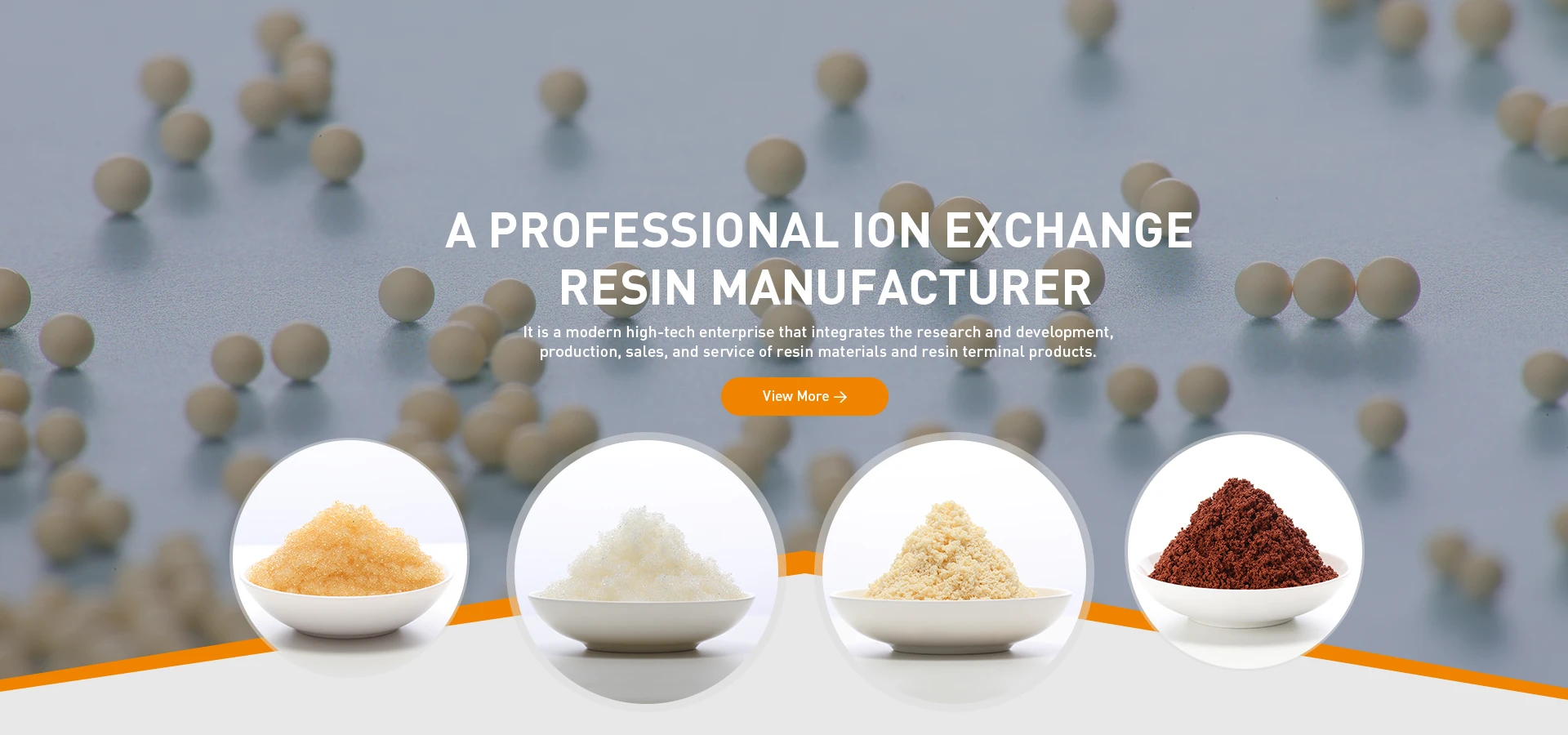
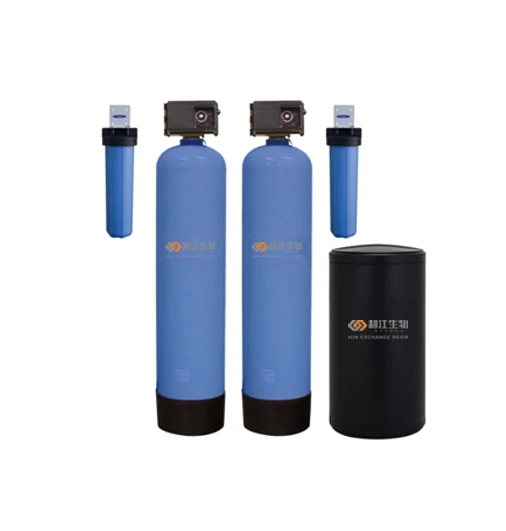
softener media
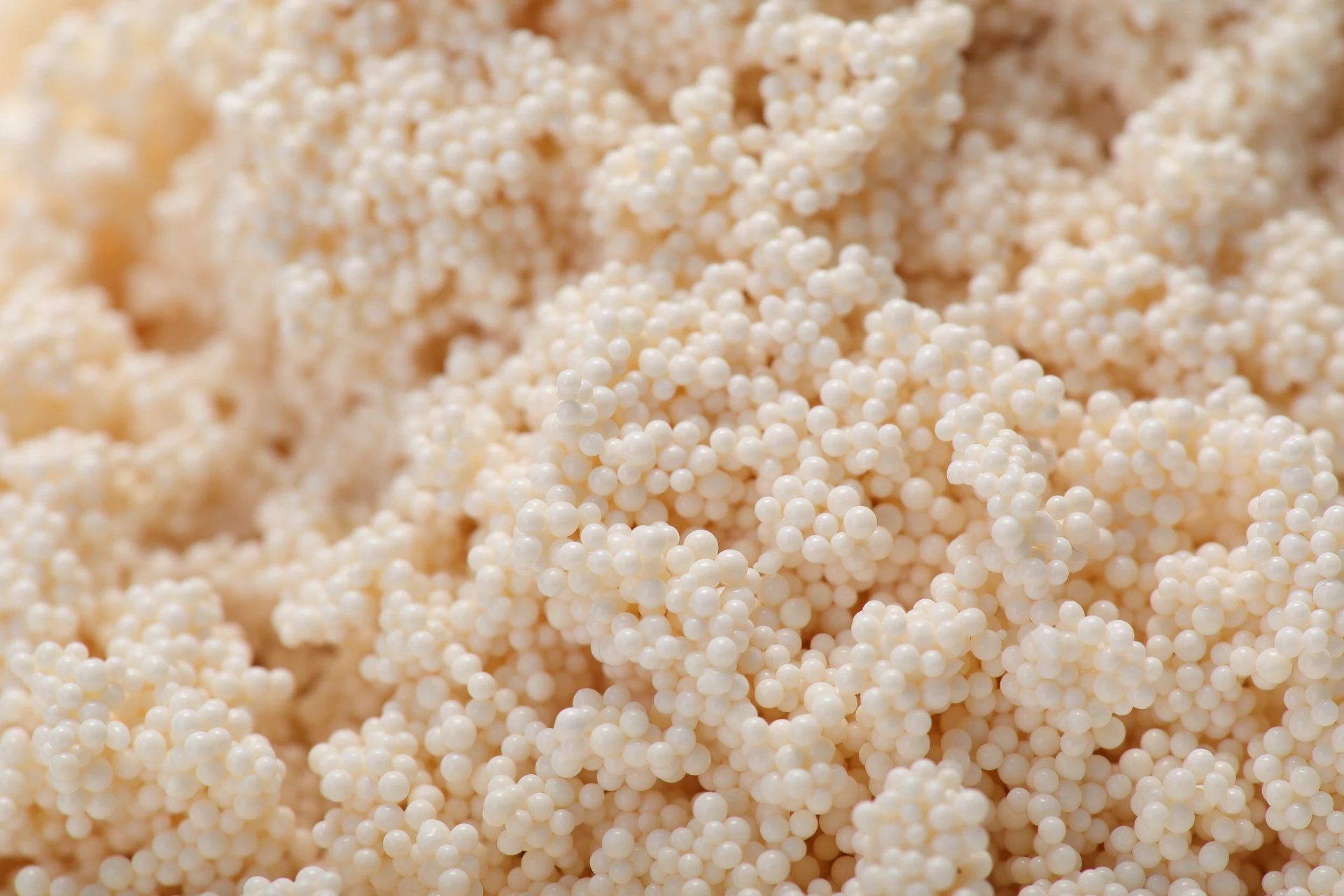
Understanding Weak Acid Resin: A Subtle Backbone of Industrial Water Treatment At first glance, the term weak acid resin might seem like an arcane topic best left to chemists or water treatment engineers. But in reality, it plays a quietly indispensable role in multiple industries globally—helping purify and condition water, a resource so critical and increasingly scarce that the United Nations places it front and center in sustainable development goals. Weak acid resin’s ability to selectively capture metal ions like calcium and magnesium ensures not only cleaner water but also more efficient manufacturing, environmental responsibility, and cost savings. Understanding its nuances offers a glimpse into a technology that quietly underpins everything from clean drinking water initiatives to pharmaceutical production. The Growing Importance of Weak Acid Resin Worldwide Water scarcity affects roughly 40% of the global population according to UN data (2023), and industries across continents face stringent regulations to minimize harmful effluents. Weak acid resin is proving to be a low-impact, cost-effective solution in tackling some of the toughest water treatment challenges. Whether it’s softening hard water in Southeast Asia’s bustling manufacturing hubs or removing trace heavy metals in Europe’s pharmaceutical plants, this resin makes a measurable difference. The global ion exchange resin market was valued near $4.7 billion in 2022 and is projected to grow steadily over the next decade—showing just how embedded compounds like weak acid resin have become. But it’s not without hurdles: variability in water composition, resin regeneration costs, and environmental disposal remain chronic sticking points. The push toward greener, circular economies means innovators keep refining these materials to strike that delicate balance between efficacy and sustainability. Mini Takeaway: Weak acid resin is vital to global water purification efforts and industrial processing. Its market growth aligns with rising environmental regulations and water scarcity concerns. Ongoing innovation focuses on cost-efficiency and environmental impact reduction. What Exactly Is Weak Acid Resin? Simply put, weak acid resins are a type of ion exchange resin characterized by carboxylic acid functional groups. Unlike their strong acid counterparts, they offer a gentler, reversible ion exchange process primarily geared towards softening hard water and removing multivalent metal ions such as calcium (Ca²⁺), magnesium (Mg²⁺), and trace heavy metals. Think of them as microscopic sponges tuned to specifically grab onto certain ions while releasing harmless hydrogen ions back into the solution. This selective affinity helps protect downstream equipment—from boilers to reverse osmosis membranes—by minimizing scale and corrosion. In humanitarian contexts, municipalities rely on weak acid resins to provide more palatable, less mineral-heavy drinking water, essential in regions with challenging groundwater quality. Mini Takeaway: Weak acid resin contains carboxylic acid groups for selective ion exchange. It targets hard water ions with reversible reactions to enable regeneration. Its applications range from industrial water softening to potable water treatment. Key Characteristics That Define Weak Acid Resins’ Practical Use 1. Ion Selectivity and Capacity Weak acid resins have a distinct preference for divalent and trivalent metal ions. Their capacity depends largely on the water’s pH—usually effective in a neutral to slightly alkaline range—which can complicate usage in acidic waters. Capacity typically sits around 2–5 meq/mL, variable by resin grade and manufacturer. 2. Regeneration and Reusability A great feature is how they regenerate using mild acid solutions, typically sulfuric or hydrochloric acid. This process restores ion exchange capacity without damaging the resin’s integrity, allowing for many cycles of use—a sustainability win compared to single-use filters. 3. Thermal and Chemical Stability Most weak acid resins withstand temperatures up to roughly 60°C and moderate exposure to oxidizers. This stability makes them suitable for processes like boiler feedwater treatment, but less so for high-temperature chemical reactors—where stronger resins are preferred. 4. Mechanical Strength and Particle Size The physical durability of resin beads affects flow rates and longevity under pressure. Typically, beads are 300–1200 microns in diameter, balancing surface area and durability. Mechanical robustness helps prevent breakdown and fines generation, which can foul systems. Product Specification Table Property Typical Range Units Functional Group Carboxylic acid - Particle Size 300–1200 microns Ion Exchange Capacity 2–5 meq/mL Max Operating Temp 60 °C pH Range (Operating) 4–10 - Mini Takeaway: Weak acid resin’s efficiency hinges on ion selectivity, pH range, and mechanical durability. Regeneration with mild acids supports recycling and sustainability. Its moderate thermal stability confines its use to ambient or slightly elevated temperature applications. Where and How Weak Acid Resins Make a Real Impact You’ll find weak acid resin quietly running processes all over the world—from India’s textile dyeing plants that depend on softened water to reduce defects, to North American power plants where boiler feedwater quality is mission critical. In municipal water treatment systems, they help reduce hardness without the extensive use of chemicals or high pressures that other methods demand. A notable example: In disaster-affected regions where RO systems have limited reach due to power or maintenance constraints, portable softening units loaded with weak acid resin help improve water quality rapidly. NGOs also use such resins for potable water projects in African countries with hard groundwater. Oddly enough, this resin’s less aggressive exchange mechanism means it often avoids stripping away essential trace minerals, preserving a better taste and nutritional profile. Global Vendor Comparison Table Vendor Product Name Ion Capacity (meq/mL) Max Temp (°C) Typical Use Case Liji Resin Co. Liji-WAR-300 4.2 60 Municipal water, industry ResinTech Solutions RST AcidSoft 3.8 55 Industrial water softening Global Ion Resins GIR WA-50 5.0 60 Pharma, electronics Mini Takeaway: Weak acid resin applications span municipal, industrial, and humanitarian fields. Choosing the right product depends on capacity, durability, and specific water chemistry. Why Industries and Communities Value Weak Acid Resins The benefits stack up: operational cost reductions thanks to fewer chemical additives, extended equipment life through reduced scaling, and enhanced reliability of water treatment systems. From a sustainability perspective, the resin’s regenerability reduces waste and chemical runoff compared to single-use alternatives. For communities relying on it, there’s an emotional layer too — safer water means better health and dignity. Many engineers point out that the softer, gentler action of weak acid resins preserves beneficial mineral balance while still protecting critical infrastructure—an elegant compromise. Trust grows when systems deliver consistent results, whether for a multinational textile firm or a rural water cooperative. Looking Ahead: Innovations and Emerging Trends in Weak Acid Resin The industry is moving toward hybrid resins combining weak and strong acid functionalities for wider pH tolerance and improved heavy metal capture, which is especially valuable as contamination profiles become more complex. Environmental regulations are pushing resin manufacturers to design products with biodegradable matrices and greener regeneration chemicals. Digital sensors integrated with resin beds allow real-time monitoring of saturation and regeneration cycles — improving efficiency and reducing downtime. Automation and AI in treatment plant management could soon optimize resin use so precisely that resource use and waste generation shrink even further, making weak acid resin solutions smarter and more adaptive. Overcoming Challenges in Weak Acid Resin Usage A common issue is decreased efficiency in low pH waters where resin capacity drops, and organic fouling that impairs bead performance over time. Additionally, regeneration can involve acid wastes that need careful handling. Clever design tweaks — such as pre-filtration steps to remove organics and using buffered regen solutions — help mitigate these problems. Researchers are also exploring resin composites that resist fouling or allow gentler cleaning methods. FAQ: Frequently Asked Questions About Weak Acid Resin How long does weak acid resin typically last before replacement? With proper regeneration and system maintenance, weak acid resins commonly last 5–7 years, though this depends on water conditions, flow rates, and fouling levels. Is weak acid resin more expensive than strong acid resin? Generally, weak acid resins are cost-competitive and sometimes cheaper due to lower regeneration chemical use, though functional differences mean they aren’t always interchangeable. Can weak acid resin remove heavy metals like lead or copper? Yes, weak acid resins can selectively remove some heavy metals, but their performance varies; specialized resins might be preferred for certain contaminants. What regeneration chemicals are needed for weak acid resin? Mild acids such as diluted sulfuric or hydrochloric acid are recommended, minimizing damage and allowing multiple reuse cycles. How do I choose the right resin for my industrial water system? Consider water chemistry, temperature, flow rate, and specific metal ion concentrations. Consultation with resin providers or specialists is often advised. Wrapping Up: The Quiet Hero of Water Treatment Weak acid resin might not make headlines, but its role in refining water quality, protecting infrastructure, and supporting sustainability initiatives is profound. Its evolving technology paves ways for greener, more efficient water treatment solutions in a world where every drop counts. For those curious — and responsible — about water care, diving into the specifics of weak acid resins unlocks real value. Visit our website for more insights and solutions: https://www.lijiresin.com References & Credible Sources UN Water: Water Scarcity Facts Wikipedia: Ion Exchange Resin ISO Water Treatment Standards
-
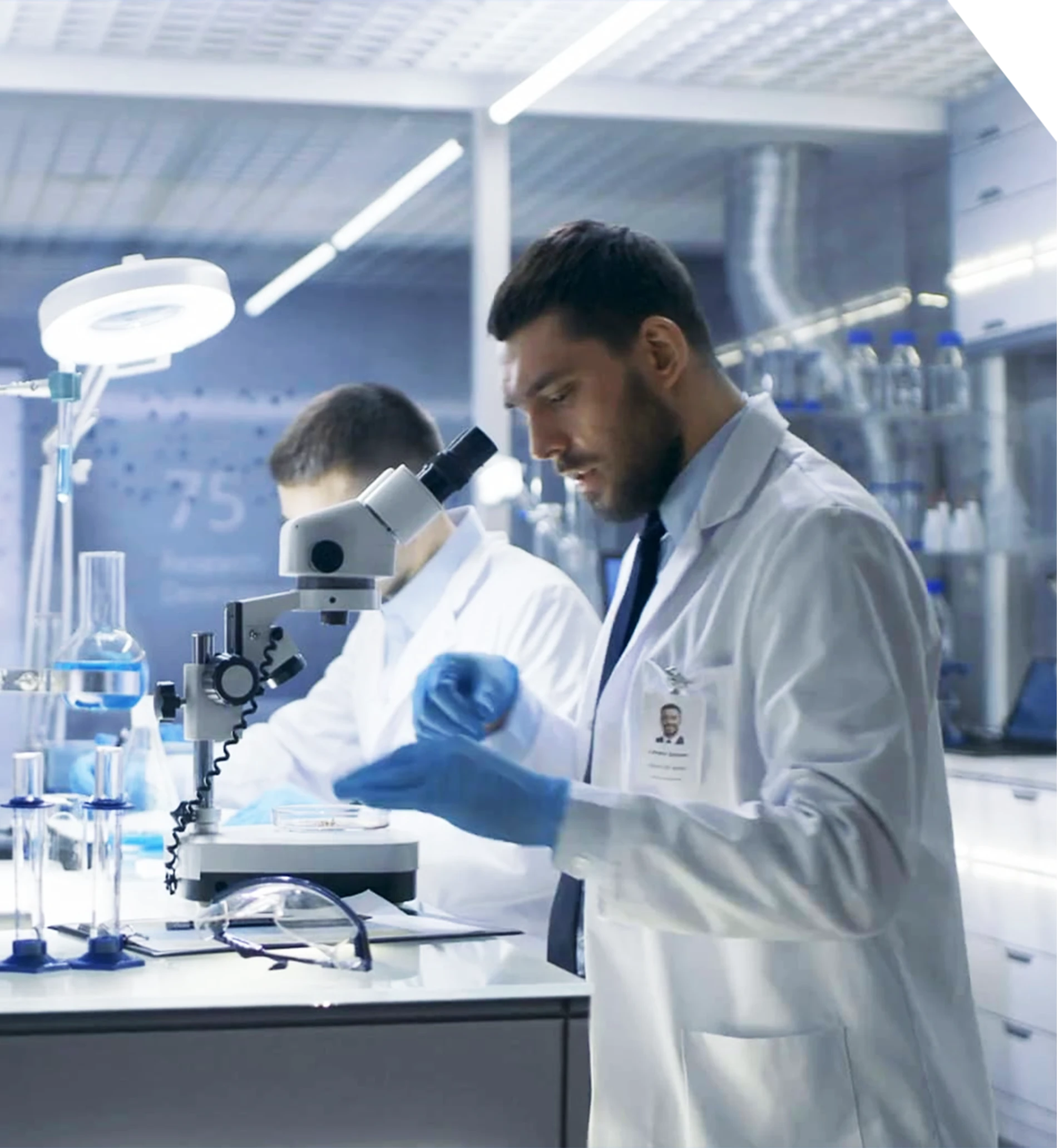
 Strong R & D Capability And Experienced Technical Team
-
Provide Customers With Competitive And Differentiated Products